4 September 2025
Professor Dame Judith Petts DBE, Chair of the GSW Clean Energy Programme Board, opened the roundtable discussions alongside Hugo Jones, Deputy Director for Green Growth at DESNZ, and a select panel of industry leaders from across the South West. The focus was on policy implementation challenges of the UK’s Clean Energy Industries Sector Plan and how it aligns with the South West’s ambitions to deliver clean growth, regional investment and long-term energy resilience.
Three key themes on the agenda:
Dr Steve Freeman, Founding Director of Renewable Energy Partners, shared his insights on how Dorset’s clean energy ecosystem can play a role in the UK’s offshore wind expansion.
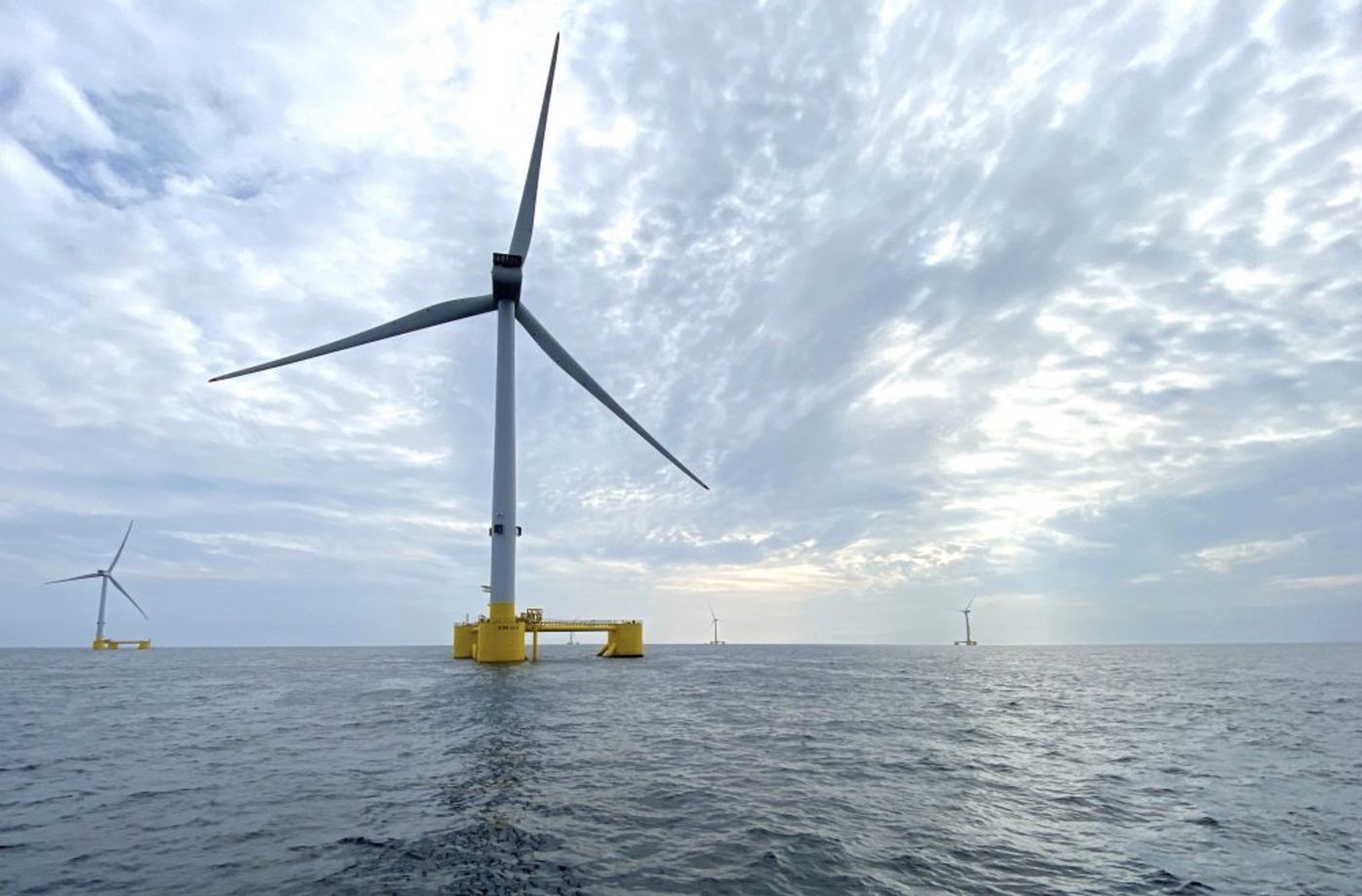
The emerging need for offshore wind in the English Channel, coupled with the Dorset Clean Energy Super Cluster initiative, provides a strategic bridge between fixed-bottom and floating wind technologies. This pan-regional opportunity can deliver clean power today while building the skills, supply chains and port infrastructure needed to support tomorrow’s floating wind and green hydrogen economy.
While UK waters are constrained by competing demands from marine industries, defence and nature conservation, diversifying the offshore wind fleet across multiple regions can help balance these pressures and deliver key benefits by:
In this context, Dorset’s wind potential and the Clean Energy Super Cluster demonstrate how regional diversification works in practice. Together, they deliver clean power close to demand centres, strengthen the resilience of the UK’s offshore wind network and boost investor confidence through a coordinated, place-based approach.